اندیشه سیاسی در اسلام

اندیشه سیاسی در اسلام

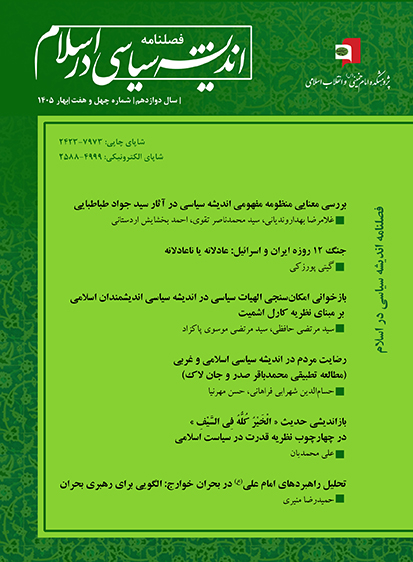
بازاندیشی حدیث «الخیر کله فی السیف» در چارچوب نظریه قدرت در سیاست اسلامی

نوع مقاله : مقاله پژوهشی

نویسنده
دانشیار، گروه فقه و حقوق اسلامی، دانشگاه بزرگمهر قائنات، قائن، ایران.
10.22034/jpti.2026.571513.1496
چکیده
حدیث «الْخَیْرُ کُلُّهُ فِی السَّیْفِ» از جمله روایاتی است که در برخی قرائت‌ها، به‌عنوان مستندی برای اصالت‌بخشی به قدرت قهرآمیز تلقی شده است. مسئله اصلی این پژوهش آن است که آیا روایت مزبور دلالت بر انحصار خیر در ابزار قهر دارد، یا آنکه باید در چارچوبی محدود و مقید فهم شود؟ مقاله حاضر با روش توصیفی–تحلیلی و با تکیه بر نقد سندی و ارزیابی دلالی، روایت یادشده را بررسی می‌کند و آن را در چارچوب نظریه قدرت در سیاست دینی و اسلامی بازخوانی می‌نماید. یافته‌ها نشان می‌دهد که اگرچه روایت در برخی منابع معتبرو استوار امامیه، از جمله الکافی، از پشتوانه سندی برخوردار است، اما دلالت مطلق‌انگارانه آن با منظومه تعالیم قرآنی، سیره نبوی و علوی و مبانی عقلانی و اخلاقی سیاست اسلامی سازگار نیست. تحلیل حاضر نشان می‌دهد که در تعالیم شریعت، قدرت قهرآمیز نه غایت، بلکه ابزاری استثنایی و مقید به ضرورت و عدالت است و در کنار آن، عناصرى چون گفت‌وگو، هدایت حکیمانه، عدالت اجتماعی و مشروعیت اخلاقی جایگاهی بنیادین دارند. براین اساس، قرائت تقلیل‌گرایانه از حدیث سیف، با فروکاست دین به قدرت سخت، می‌تواند زمینه‌ساز مشروعیت‌بخشی به خشونت‌های بی‌ضابطه گردد؛ ازاین‌رو فهم معتبر روایت، مستلزم قرائتی نظام‌مند و منسجم در چارچوب عقلانیت فقهی و اخلاقی است.
کلیدواژه‌ها
موضوعات

عنوان مقاله English

Reconsidering the Hadith “al-Khayr Kulluhu fī al-Sayf” within the Framework of Power Theory in Islamic Politics

نویسنده English

علی محمدیان
Associate Professor, Department of Jurisprudence and Islamic Law, Bozorgmehr University of Qaenat, Qaen, Iran.
چکیده English

The hadith “al-khayr kulluhu fī al-sayf” (“All goodness lies in the sword”) has, in certain interpretations, been regarded as a textual foundation for the primacy of coercive power in Islamic politics, thereby influencing modern debates on religion and violence. The central question of this study is whether the narration implies an exclusive identification of goodness with coercive force, or whether it should be understood within a restricted and contextual framework. Employing a descriptive-analytical method grounded in both isnād criticism and semantic analysis, this article re-examines the hadith through the lenses of the Qur’an, Prophetic tradition, rational principles, and ethical norms, situating it within a broader theory of power in Islamic political thought. The findings indicate that although the narration possesses relative chain-of-transmission credibility in major Imami sources—most notably al-Kāfī—its absolutist reading is incompatible with the comprehensive framework of Qur’anic teachings, the Prophetic and Alid praxis, and the rational-ethical foundations of Islamic governance. The study argues that within Islamic political theory, coercive power is not an intrinsic end but an exceptional and conditional instrument constrained by justice, necessity, and legitimate defense, while moral legitimacy, dialogue, and social justice remain foundational components of political order. Consequently, reductionist readings that equate religion with hard power risk legitimizing unregulated violence. A defensible understanding of the hadith, therefore, requires a systematic interpretation embedded in ethical and jurisprudential rationality. Consequently, reductionist readings that equate religion with hard power risk legitimizing unregulated violence. A defensible understanding of the hadith, therefore, requires a systematic interpretation embedded in ethical and jurisprudential rationality.

کلیدواژه‌ها English

Hadith of the Sword
Power
Islamic
Politics
Religious Violence

مقالات آماده انتشار، پذیرفته شده
انتشار آنلاین از 18 خرداد 1405